
IMPACT: Google Scholar: H5-Index = 69; H5-Median = 102 (12th in the World in Public Health); Web of Science/Clarivate: Impact factor = 5.8 (5-year) / 5.5 (2-year); Scopus: Citescore = 6.2

Articles

Global epidemiological and aetiological patterns of hand, foot, and mouth disease: a country-level scoping synthesis

Zhen Li1, Xue Han1, Yuan Ren2

1Strategic Marketing Centre, Sinovac Biotech Co., Ltd., Beijing, China
2Strategic Marketing Centre, Sinovac Holding Group Co., Ltd., Beijing, China

DOI: 10.7189/jogh.16.04220
Cite as: Li Z, Han X, Ren Y. Global epidemiological and aetiological patterns of hand, foot, and mouth disease: a country-level scoping synthesis. J Glob Health. 2026;16:04220.

(16 pages)

Share:

Abstract

Background

Hand, foot, and mouth disease (HFMD) has historically been predominantly reported in the Asia-Pacific region, while its global epidemiology and aetiology remain fragmented and incompletely characterised. We aimed to synthesise currently available country-level evidence to describe global epidemiological and aetiological patterns of HFMD.

Methods

We conducted a country-level scoping synthesis of published studies and publicly available surveillance reports through August 2025. Studies were eligible for inclusion if they reported epidemiological or aetiological data on HFMD at the national or subnational level, including case numbers, incidence, outbreaks, and enterovirus (EV) serotype distributions. We qualitatively synthesised the data, with a focus on surveillance availability, epidemiological trends, and major circulating EV serotypes.

Results

Reported HFMD incidence declined during the COVID-19 pandemic and subsequently rebounded in many settings, in some settings exceeding pre-pandemic levels. Aetiological evidence suggests an increasing circulation of coxsackievirus A6 in multiple regions, with coxsackievirus A16 and EV A71 continuing to co-circulate in specific settings. However, routine epidemiological and aetiological surveillance remained largely concentrated in the Asia-Pacific region. In many other countries, available data were limited and primarily derived from outbreak-driven or sporadic studies. Heterogeneity was observed in surveillance systems and data availability across countries.

Conclusions

Global HFMD epidemiological and aetiological patterns are characterised by disparities in surveillance capacity and data availability. Developing standardised surveillance and aetiological monitoring is essential to further understand the global landscape of HFMD, improve data comparability, support early detection of epidemiological changes, and inform evidence-based prevention and control strategies.

Hand, foot, and mouth disease (HFMD) was first described in 1948 [1], and the earliest documented outbreak occurred in 1957 in Toronto, Canada [2]. Historically, this disease received limited attention due to its typically self-limiting clinical course [1]. However, over the past two decades, accumulating evidence has highlighted HFMD as a significant public health concern, particularly due to outbreaks associated with severe complications [1,3].

Since 1997, large-scale outbreaks of enterovirus (EV)-associated HFMD have been reported across several countries in the Asia-Pacific region, including Malaysia, Japan, China, Vietnam, and Singapore [1]. Following 2010, a notable annual increase in HFMD-related publications has been observed, with the majority originating from this region [4]. Nevertheless, HFMD outbreaks and case reports have also been documented in other regions, including North America and Europe [1,3,5], suggesting a broader geographical distribution than previously recognised.

The aetiology of HFMD is complex and involves multiple EV serotypes, with EV-A71, coxsackievirus (CV)-A16, CV-A6, and CV-A10 being the most commonly reported and responsible for outbreaks and epidemics [6,7]. Other serotypes, such as CV-A2, CV-A4, CV-A5 and CV-B1 to CV-B5, have also been reported, although less frequently [7,8].

In earlier years, EV-A71 and CV-A16 were considered the predominant serotypes causing HFMD, typically exhibiting a two- to three-year cyclical outbreak pattern, particularly in the Asia-Pacific region [1,9]. In recent years, however, several studies have reported a shift in the major circulating serotypes, with increasing detection of CV-A6 and CV-A10 across multiple settings [1,6,9]. Additionally, other serotypes, including CV-A4, CV-B3 and CV-B5, have been increasingly reported [1,6], although their epidemiological significance remains uncertain.

Despite numerous studies on HFMD [4], the global understanding of its epidemiology and circulating serotypes remains highly fragmented. Existing reviews [1,8,9] primarily focused on the general epidemiology and aetiology, clinical features, complications, as well as health and economic burdens associated with HFMD, especially in East and Southeast Asia. Comprehensive syntheses that systematically describe epidemiological trends and aetiological patterns at a country level remain limited.

In early 2025, outbreaks were reported in several countries and territories outside the Asia-Pacific region, including Guyana, Mexico, Peru, Trinidad and Tobago, and the USA Virgin Islands [10], alongside continued HFMD outbreaks reported in Asian countries, such as Malaysia [11–13], Thailand [14,15], and the Philippines [16–18]. These reports highlighted the continued occurrence of HFMD, and it is essential to remain vigilant about the potential risk, as emphasised by the Pan American Health Organisation and the World Health Organisation (WHO) [10].

A comprehensive understanding of the current epidemiology and aetiology of HFMD is therefore necessary to identify data gaps and research priorities, as well as to guide prevention and control strategies. Hence, we aimed to provide a country-level synthesis of global HFMD epidemiological and aetiological patterns.

METHODS

In conducting the study, we adhered to JoGH’s GRABDROP guidelines [19] (Table S1 in Online Supplementary Document). We designed the study as a country-level scoping synthesis to summarise publicly available epidemiological and aetiological data on HFMD. Data sources included published literature and publicly accessible surveillance data from official websites, such as the Centres for Disease Control and Prevention and national Ministries of Health.

Study selection and eligibility criteria

We conducted a literature search using the Foreign Medical Literature Retrieval Service (FMRS) (Shenzhen METSTR Technology Co., Ltd, Shenzhen, China), an integrated literature retrieval platform that indexes multiple international bibliographic databases, including PubMed and Embase, and covers more than 35,000 international journals. We designed the search strategy to achieve broad coverage comparable to direct searches of those primary databases. Since FMRS is not a widely recognised standard database, we validated the search results by conducting parallel searches in PubMed using the same search terms and time frame to assess their reliability and completeness. The findings showed a high degree of consistency between the two approaches, suggesting broadly comparable coverage to that of direct database searches.

We considered studies as eligible for inclusion if they reported epidemiological or aetiological data on HFMD at the national or subnational level, including case numbers, incidence, outbreaks, and EV serotype distributions. We excluded studies in which HFMD and herpangina cases were combined and could not be distinguished, given their overlapping EV aetiology. Further, we excluded articles published in languages other than English and those without English abstracts. Studies focusing primarily on virology (such as basic science, in vitro experiments, or animal models) or lacking clear relevance to HFMD epidemiology or aetiology were also excluded.

We identified additional information, including official websites that report surveillance data, through cross-referencing across relevant articles and review papers, particularly for countries with limited publicly available data.

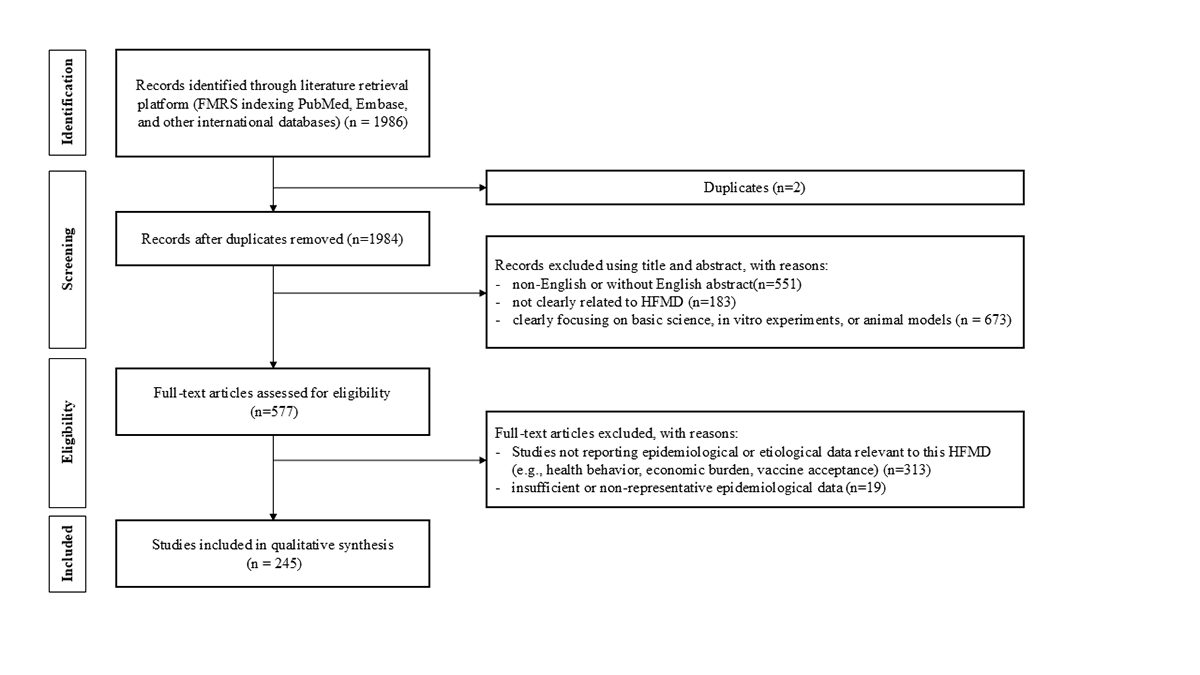
We conducted the literature search in August 2025. Articles published since 2020 were searched using the term ‘hand, foot, and mouth disease’ or ‘HFMD’ to achieve broad coverage. A total of 1986 articles were identified from the platform. After screening and eligibility assessment, we included 245 full-text articles in the final synthesis (Figure 1).

Figure 1. Flow diagram of study inclusion. The included studies were used for both the main synthesis and detailed country-level descriptions presented in Section S1 in the Online Supplementary Document. Additionally, contextual information extracted from reviews or articles was not included in this selection process.
Data definitions and sources

We defined epidemiological data as population-level indicators that describe the occurrence and distribution of HFMD, including case counts, incidence, and reported outbreaks. Aetiological data referred to the distribution of EV serotypes causing HFMD based on laboratory-confirmed cases.

We categorised data sources into surveillance data and study-based data. Surveillance data refers to information derived from national monitoring systems, typically made publicly available on official websites or in surveillance reports. Study-based data referred to findings from published studies conducted in local institutions (such as hospitals or research institutions) that reported the distribution of HFMD-associated EV serotypes.

When publicly available, we prioritised surveillance data to characterise country-level epidemiological and aetiological patterns of HFMD. In some settings, particularly where official data were not publicly accessible, we obtained surveillance-derived data indirectly through published studies reporting national or subnational surveillance results.

In settings where surveillance data were unavailable, we drew evidence from published studies to provide descriptive summaries. For the same country and time period, data from multiple sources were synthesised to provide an overall description.

When multiple overlapping reports of the same outbreak or period were identified within a country, we cross-verified data, and the most comprehensive or most recent results were prioritised to avoid duplication.

Media reports were included only as supplementary evidence to support outbreak identification and were not used for epidemiological or aetiological inference.

Data synthesis and analysis

Given the heterogeneity in surveillance systems and case reporting practices across countries, we adopted a qualitative synthesis approach to summarise the available evidence, focusing on the availability of surveillance, epidemiological trends, and aetiological patterns of HFMD.

To improve clarity in presenting aetiological patterns, we operationally defined a ‘major circulating serotype’ as one that accounts for more than 20% of all laboratory-confirmed HFMD cases in a given country or study period. This threshold was used for descriptive purposes only, including visualisation, and did not represent a strict epidemiological definition of dominance. No formal comparisons across countries, quantitative synthesis or meta-analysis were performed.

RESULTS

Surveillance and data availability of hand, foot, and mouth disease

Currently, no unified global surveillance system for HFMD has been established, and the availability of epidemiological and aetiological data varies substantially across countries. Historically, HFMD outbreaks have been predominantly reported in the Asia-Pacific region, where HFMD is commonly included in national notifiable disease surveillance systems, such as China [20,21], Vietnam [22,23], and Malaysia [24]. At the regional level, the WHO Western Pacific Regional Office established an HFMD reporting system in 2011; however, publicly available biweekly reports did not include laboratory diagnosis or EV serotyping [25,26], and were only accessible between 2015 and 2018 [27]. The Asia-Pacific Network for Enterovirus Surveillance, established in 2017 through collaborations between academic institutions and hospitals, currently includes a limited number of participating countries and regions [1].

In Europe and North America, surveillance systems for non-polio EVs have been established, such as laboratory-based surveillance networks in Europe [28,29] and the National Enterovirus Surveillance System in the USA [1,30]. However, these systems are not syndrome-specific to HFMD and therefore may not fully reflect HFMD-specific epidemiological or aetiological patterns (Figure 2, Table 1).

Figure 2. Global availability of surveillance systems and country-level data on HFMD. This map summarises the availability of country-level surveillance systems and data sources related to HFMD, categorised into three groups. Panel A. Countries where HFMD is monitored as a notifiable disease within routine national surveillance systems. Panel B. Countries with HFMD surveillance outside formal notifiable disease systems. Panel C. Countries where available evidence of HFMD is primarily derived from published studies. Countries shown in grey indicate the absence of publicly available surveillance or data. This figure highlights substantial geographic heterogeneity in surveillance systems and data availability, which constrains direct comparison of HFMD epidemiology across regions. *Country boundaries follow standard international definitions and may include overseas territories.
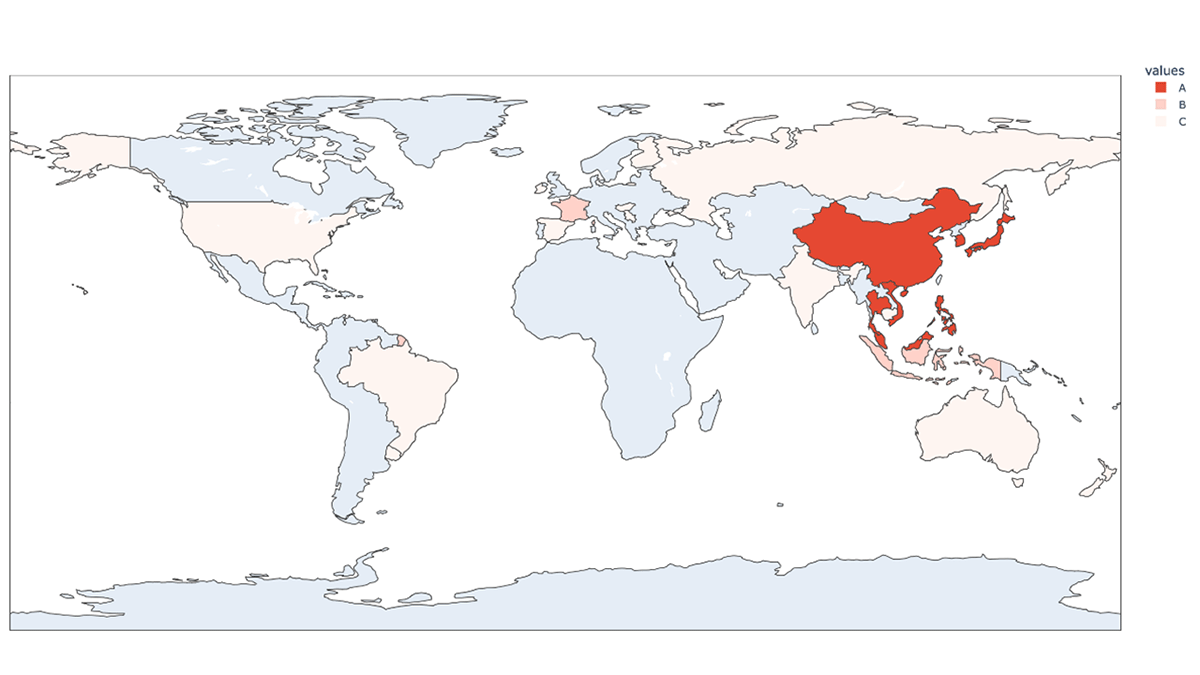
Table 1. Country-level surveillance, major circulating EV serotypes and reported outbreaks of HFMD*

Country/regionDisease surveillanceAetiological surveillanceMajor circulating serotypes in recent years (after 2020)Outbreaks reported since 2000
SerotypesData sources
ChinaNational notifiable disease system (since 2008, publicly available) [20]National sentinel hospital-based surveillance (since 2009, not publicly available) [21]CV-A16; CV-A6; others increasing [31,32]Published studies using surveillance data2008–2015 [1,33]
VietnamNational communicable disease surveillance system (since 2011, publicly available) [22,23]Research-based surveillance (PI HCM; NIHE) [23]Mainly EV-A71(2023) [34]Published articles based on research groups2005 [1,22]; 2011–2012 [33,35]; 2018 [33]; 2023 [34]
MalaysiaMandatory notifiable disease (since 2006, publicly available) [24]Mandatory notifiable disease (since 2006, not publicly available) [24]CV-A6 (2023); CV-A16 (2024) [36].Official report [36]2000 [5,37]; 2003 [5,38]; 2006 [5,38]; 2007 [38]; 2018 [39,40]; 2022 [11]; 2025 [12,13]
ThailandNotifiable disease (since 2001, not publicly available) [41]A national surveillance program for HFMD to monitor EVs (not publicly available) [42]Mainly CV-A6 [41,43]Published studies2012 [8,41,43,44]; 2017 [1,33,44]; 2019–2022 [43]; 2025 [14,15]
JapanNotifiable infectious diseases (IDWR, publicly available) [45]Notifiable infectious diseases (IASR, publicly available) [45,46]CV-A16; CV-A6 [45,46]Official Report (IASR) [46]2000; 2003; 2006; 2010; 2011; 2013; 2015 [47]; 2017 [8]
KoreaNational infectious disease surveillance system (since 2009, publicly available) [48–50]A national surveillance of EV (since 1993, not publicly available) [33]CV-A6 (2022) [51–53]Published studies2000 [5]; 2009–2012 [1,33]; 2022 [53]
SingaporeOnce a legally notifiable disease [54,55]NANANA2000 [1,54]; 2008 [1]
The PhilippinesNotifiable infectious diseases (not publicly available) [56]Severe Enteroviral Disease (not publicly available) [56]CV-A16 (2022) [57]Published studies2025 [16–18]
IndiaNANACV-A6; CV-A16 (2022) [58–62]Published studies2003 [63]; 2007 [64]; 2016 [65]; 2022 [60,66]
IndonesiaRequired reported in hospitals (since 2025) [67]Required reported in hospitals (since 2025) [67]NANA2016 [68]
FrancePARI Medical Observatory (since 2017) [69–71]; Citywide sentinel surveillance system (since 2010) [72] (not publicly available)PARI Medical Observatory (since 2017) [69–71]; Citywide sentinel surveillance system (since 2010) [72] (not publicly available)CV-A6; CV-A16 (2021) [71]Published studies2021 [71]

CV-A16 – coxsackievirus A16, CV-A6 – coxsackievirus A6, EV-A71 – enterovirus A71, HFMD – hand, foot, and mouth disease, IASR – Infectious Agents Surveillance Report, IDWR – Infectious Disease Weekly Report, NA – not available, NIHE – National Institute of Hygiene and Epidemiology, PI HCM – Pasteur Institute in Ho Chi Minh City, PARI – Paediatrics and Ambulatory Research in Infectious Diseases

*This table summarises the availability of national surveillance systems for HFMD, major circulating EV serotypes and data sources, and outbreaks across countries included in this study. Surveillance systems vary substantially in scope and diagnostic depth, which may affect reported incidence and aetiological distribution. Serotype information reflects laboratory-confirmed cases where available and may not be directly comparable across countries due to differences in surveillance design and reporting completeness.

Global epidemiology of hand, foot, and mouth disease

Based on publicly available data, the reported incidence of HFMD in 2023 varied substantially across countries, ranging from 118.71 per 100,000 population in China [73] to 409.6 per 100,000 population in Malaysia [36]. However, these estimates were not directly comparable due to differences in surveillance systems and reporting practices. In countries such as China [73] and Japan [45,74], HFMD incidence exhibited a biennial pattern, with higher incidence observed every other year.

During the COVID-19 pandemic, reported HFMD cases decreased markedly across most countries, particularly in 2020. This decrease has been widely associated with the implementation of non-pharmaceutical interventions [75–78]. Since 2021, the number of reported cases has gradually returned to levels comparable to the pre-pandemic period (2009–2019) [36,45,73,74,79]. Notably, Malaysia reported a sharp increase in HFMD cases and incidence in 2022 [36] (Section S1 in the Online Supplementary Document). However, these post-pandemic changes may not reflect true underlying epidemiological trends and may also be influenced by the relaxation of non-pharmaceutical interventions [75], which likely contributed to the decline in reported cases during the pandemic. Several studies reported a delay of approximately one to two months in the seasonal peak of HFMD epidemics following the COVID-19 period [75,80].

In recent years, an increasing number of HFMD outbreaks and epidemiological studies have been reported in countries outside the Asia-Pacific region, including Uruguay [81], Serbia [82], and Palestine [83] (Table 1; Section S1 in the Online Supplementary Document).

The absence of routine HFMD surveillance and limited data availability in many of these countries limited the ability to distinguish between true absence of transmission and under-reporting or under-detection. This may contribute to both surveillance gaps and epidemiological heterogeneity.

Although HFMD predominantly affects children under five years of age, cases have also been reported among neonates [84] and individuals aged six years and older [85,86]. Sporadic cases involving adolescents, adults, and pregnant women have been reported in multiple countries (Section S2 in the Online Supplementary Document). While these reports were not representative of population-level epidemiology, they may indicate potential changes in transmission dynamics or expanding susceptible populations.

Major circulating enterovirus serotypes causing hand, foot, and mouth disease

Although several countries routinely conducted serotype surveillance for HFMD-associated EVs, much of the aetiological information was not publicly available; consequently, available data largely came from outbreak-driven investigations and published studies (Table 1), resulting in substantial variability in data sources across countries, with differences in data coverage and representativeness.

Prior to 2020, EV-A71 and CV-A16 were commonly reported as predominant EV serotypes associated with HFMD outbreaks in multiple Asian countries [33], often co-circulating with CV-A10 and CV-A6. Together, these four serotypes accounted for a large proportion of laboratory-confirmed HFMD cases reported in countries including China [87], Vietnam [23,88,89], Malaysia [39,40], Thailand [41,43], Japan [46], Korea [51,52], Singapore [90,91], and the Philippines [56] (Section S1 in the Online Supplementary Document). In India, CV-A6 and CV-A16 have consistently been reported as major circulating serotypes across multiple studies [64,92–95]. In China, especially following the introduction of EV-A71 vaccination, the proportion of HFMD cases caused by EV-A71, particularly severe cases and deaths, declined markedly, as indicated by multiple studies [20,87,96–98].

Outside the Asia-Pacific Region, aetiological data were primarily derived from outbreak-driven studies. These reports consistently identified CV-A6 as the major circulating serotype causing HFMD outbreaks reported in many countries, such as the USA [8,99], Brazil [100–102], France [69,72], England [103–105], Spain [106–108], and Hungary [109], with EV-A71 reported sporadically [1,104,110] (Figure 3, Panel A).

Figure 3. Global distribution of major circulating enterovirus serotypes causing HFMD before and after 2020. This figure illustrates changes in the geographic distribution of the three major EV serotypes associated with HFMD – EV-A71, CV-A16, and CV-A6 – before 2020 and since 2020, based on surveillance data and published studies. For visualisation purposes, a serotype was defined as major circulating when it accounted for ≥20% of laboratory-confirmed HFMD cases within a given country or outbreak. Serotypes detected at lower proportions were not displayed to avoid overinterpretation of sporadic or minor circulation. Countries shown in grey indicate the absence of publicly available aetiological data rather than the confirmed absence of HFMD transmission.
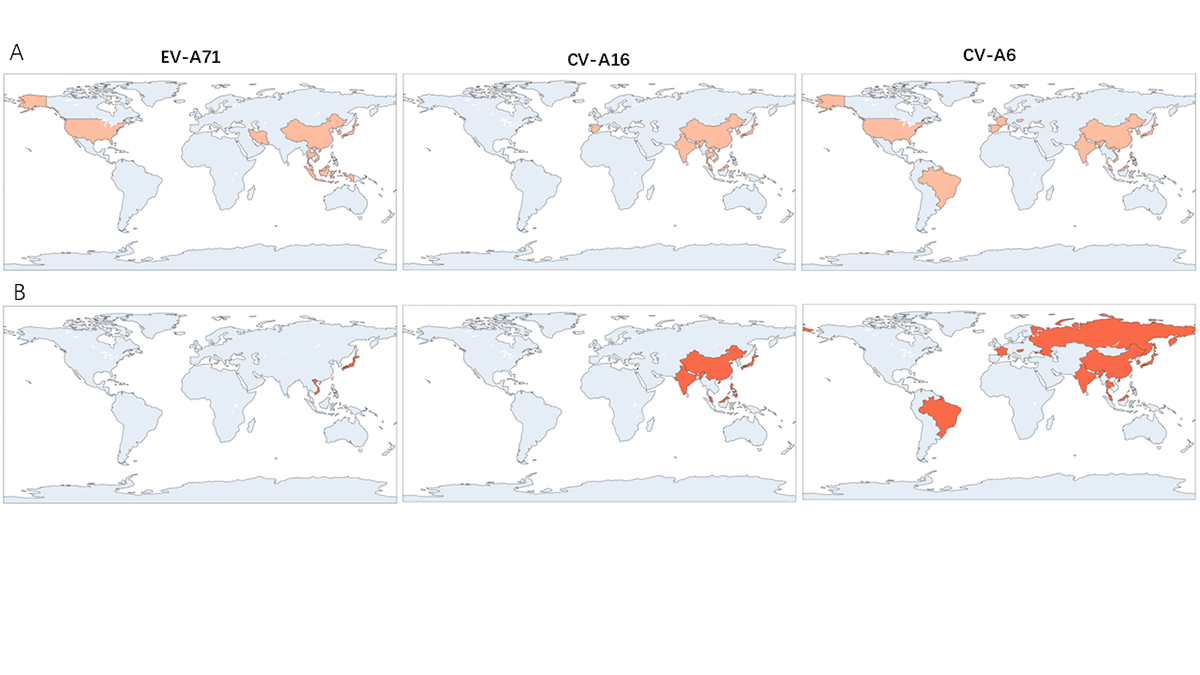
In the past five years (since 2020), CV-A6 has been increasingly reported as a major circulating serotype causing HFMD in multiple countries, including Thailand [41,43], Brazil [111], Hungary [112], Russia [113], and Cape Verde [114]. In contrast, CV-A16 has been reported intermittently as a major circulating serotype in countries such as China [31,32], Japan [46], Malaysia [36], Korea [53], the Philippines [57], and France [71]. In India, CV-A6 and CV-A16 have continued to co-circulate as the main HFMD-associated serotypes [58–62,115,116]. EV-A71 was reported less frequently in Japan [46] but remained associated with outbreaks in Vietnam in recent years [34] (Figure 3, Panel B). Notably, these patterns should be interpreted with caution, as changes over time may not necessarily reflect causal effects of the COVID-19 pandemic.

Several studies have reported that CV-A6 is frequently associated with atypical HFMD presentations [71,105]. Given that most HFMD cases were diagnosed based on clinical symptoms, differences in clinical presentation and diagnostic criteria may influence case detection and reporting.

In addition to the four major serotypes, sporadic HFMD cases and outbreaks caused by other EVs were reported, including CV-A4 [117,118], CV-A5 [7,119], and CV-A8 [120], as well as multiple CV-B [112,121–124] and echovirus serotypes [112,125–128]. Some studies also identified EV serotypes associated with severe HFMD cases, including those with central nervous system complications [100,125,129,130].

DISCUSSION

This review synthesises available country-level evidence to characterise recent global epidemiological and aetiological patterns of HFMD over the past five years. The findings highlight substantial heterogeneity in reported cases, incidence, outbreaks, and major circulating serotypes of HFMD across countries, largely reflecting differences in surveillance coverage and data availability. In many settings, available evidence is primarily derived from outbreak-driven investigations and local studies, which may limit the comparability of findings and should be considered when interpreting the observed patterns. These findings underscore the importance of developing standardised surveillance and aetiological monitoring to advance the understanding of global HFMD epidemiology and aetiology.

The increasing number of reported HFMD cases and outbreaks in countries outside the traditionally recognised Asia-Pacific region suggests that HFMD transmission may be more geographically widespread than previously recognised. However, in the absence of standardised and systematic HFMD surveillance in many countries, it remains difficult to distinguish between actual changes in transmission dynamics and under-detection. In addition, the absence of publicly available data in some countries does not necessarily indicate the absence of HFMD; it may instead reflect limited data accessibility. These findings underscore the importance of expanding surveillance coverage and improving data comparability across countries and regions, particularly through targeted or sentinel surveillance in underrepresented settings.

Notably, reported HFMD cases decreased markedly during the COVID-19 pandemic and subsequently returned to levels comparable to, or, in some settings, exceeding those observed before the pandemic. These changes may not necessarily reflect true underlying epidemiological trends but may also be influenced by the implementation and relaxation of non-pharmaceutical interventions, as well as other factors such as changes in healthcare-seeking behaviour and the recovery of surveillance systems. Given the limited availability of studies on this topic, further research is needed to better understand the underlying drivers of these observed patterns.

With respect to aetiological patterns, observed changes suggest a shift in the circulation of EV serotypes in recent years. In this article, 2020 was used as a pragmatic time point to describe differences in major circulating serotypes between the preceding period and the most recent five years. Although this time point coincides with the onset of the COVID-19 pandemic, such temporal overlap does not imply a causal relationship. Additionally, available data suggested that major circulating serotypes may vary from year to year, and there is currently no conclusive evidence supporting a direct impact of the COVID-19 pandemic on aetiological patterns.

The observed shift from EV-A71 and CV-A16 dominance toward an increasing circulation of CV-A6 in many countries suggests a potential change in the global HFMD landscape. This pattern may have important implications, as CV-A6 has been more frequently associated with atypical clinical presentations of HFMD, which may contribute to underdiagnosis or misclassification in settings relying primarily on clinical diagnosis.

However, the apparent increase in CV-A6 may not necessarily reflect true underlying epidemiological changes and may also reflect improved recognition of atypical HFMD and potential publication bias. Additionally, heterogeneity in data sources may contribute to variability in observed aetiological patterns, as data in many countries are primarily derived from local studies rather than systematic surveillance.

Efforts to standardise surveillance and laboratory methods may enhance the comparability of HFMD data. The establishment of the European Non-Polio Enterovirus Network in 2021 represented an attempt to standardise data collection, monitor EV circulation, and estimate disease burden across Europe through standardised protocols [29,131]. Such initiatives highlighted the potential value of coordinated surveillance and unified diagnostic approaches for HFMD. Additionally, the continued detection of a broad range of EV serotypes associated with HFMD, including those linked to severe disease and central nervous system complications, further illustrates the dynamic and unpredictable nature of EV circulation.

The widespread deployment of monovalent EV-A71 vaccines has substantially reduced severe HFMD cases and mortality in some settings; however, the increasing predominance of non-EV-A71 serotypes, particularly CV-A6 and CV-A16, may suggest that monovalent vaccines have limited capacity to address the diversity of circulating serotypes. Emerging epidemiological evidence suggests that multivalent vaccine strategies may be considered to address the diversity of circulating serotypes. More relevant data are essential to inform vaccine strain selection, evaluate vaccine impact, and guide evidence-based policy decisions at both national and international levels.

Collectively, these findings indicated the importance of strengthening unified HFMD surveillance, improving standardisation in monitoring and diagnostics, and expanding aetiological monitoring to advance understanding of global HFMD epidemiology and support effective prevention and control strategies. Although this review aimed to synthesise global epidemiological and aetiological evidence on HFMD as comprehensively as possible, given the available data, several limitations should be acknowledged.

First, a substantial proportion of the included studies were outbreak-driven or localised, which may not fully represent population-level aetiological patterns of HFMD-associated EVs. This reflects the broader limitation of available data, as routine and standardised surveillance systems are lacking in many countries.

Second, language restrictions may have introduced bias. Although many excluded articles were likely published in Chinese and may therefore have limited impact on the overall findings, studies published exclusively in local languages and not indexed in major international databases may have been missed, potentially leading to underrepresentation of data from certain regions, particularly Africa and Latin America.

Third, due to limited availability of surveillance data and data gaps across countries, no formal cross-country comparisons or in-depth quantitative analyses were conducted. Future studies may help to address these limitations.

Despite these limitations, this study provides a country-level scoping synthesis of currently available evidence and highlights critical gaps in global HFMD data. Future studies based on population-level, standardised, longitudinal, and geographically representative data will be essential to advance the understanding of global HFMD epidemiology and aetiology, improve comparability across regions and support robust epidemiological analysis.

CONCLUSIONS

This study provides a country-level synthesis of available evidence describing global epidemiological and aetiological patterns of HFMD. Although HFMD has historically been regarded as concentrated in the Asia-Pacific region, recent reports of emerging outbreaks from other regions suggest its transmission may be more geographically widespread than previously recognised. However, substantial gaps in surveillance and data availability limit the ability to draw definitive conclusions.

The increasing circulation of CV-A6, alongside continued circulation of CV-A16 and EV-A71 and the emergence of other serotypes, emphasises the dynamic nature of EV epidemiology. Importantly, much of the observed variation across countries may reflect differences in surveillance systems and data availability rather than true epidemiological differences.

Developing unified surveillance systems, improving diagnostic standardisation, and expanding aetiological monitoring are essential for enhancing data comparability, supporting accurate disease burden estimation, and informing evidence-based HFMD prevention and control strategies.

Data availability: All data analysed in this study were obtained from previously published articles and publicly available surveillance reports. All data sources were cited within the article and its Online Supplementary Document.

Additional material

Online Supplementary Document

Ethics statement: Ethical approval was not required for this study because it is based exclusively on previously published literature and publicly available data.

Funding: This study received no funding.

Authorship contributions: Zhen Li conceived the review and conducted the literature search, data collection, analysis, and manuscript writing. Xue Han and Yuan Ren helped review and edit the manuscript.

Disclosure of interest: The authors completed the ICMJE Disclosure of Interest Form (available upon request from the corresponding author) and disclose no relevant interests.

references

Huang CY, Su SB, Chen KT. A review of enterovirus-associated hand-foot and mouth disease: preventive strategies and the need for a global enterovirus surveillance network.Pathog Glob Health. 2024;118:538–48. 10.1080/20477724.2024.240042439229797

Robinson CR, Doane FW, Rhodes AJ. Report of an outbreak of febrile illness with pharyngeal lesions and exanthem: Toronto, summer 1957; isolation of group A Coxsackie virus.Can Med Assoc J. 1958;79:615–21.13585281

Solomon T, Lewthwaite P, Perera D, Cardosa MJ, McMinn P, Ooi MH. Virology, epidemiology, pathogenesis, and control of enterovirus 71.Lancet Infect Dis. 2010;10:778–90. 10.1016/S1473-3099(10)70194-820961813

Li Y, Ruan Y, Zhai X, Ye J, Xiao Y, Liang J. Frontiers and hotspots in hand, foot, and mouth disease research during 2006 to 2023: A bibliometric and visual analysis.Medicine (Baltimore). 2024;103:e38550. 10.1097/MD.000000000003855038875391

Ooi MH, Wong SC, Lewthwaite P, Cardosa MJ, Solomon T. Clinical features, diagnosis, and management of enterovirus 71.Lancet Neurol. 2010;9:1097–105. 10.1016/S1474-4422(10)70209-X20965438

Kalam N, Balasubramaniam V. Changing Epidemiology of Hand, Foot, and Mouth Disease Causative Agents and Contributing Factors.Am J Trop Med Hyg. 2024;111:740–55. 10.4269/ajtmh.23-085239106854

Gao F, Bian LL, Chen L, Zhou YP, Li GF, Mao QY. A cross-sectional seroepidemiology study of seven major enteroviruses causing HFMD in Guangdong, China.J Infect. 2021;83:119–45. 10.1016/j.jinf.2021.04.01133872666

Zhu P, Ji W, Li D, Li Z, Chen Y, Dai B. Current status of hand-foot-and-mouth disease.J Biomed Sci. 2023;30:15. 10.1186/s12929-023-00908-436829162

Leung AKC, Lam JM, Barankin B, Leong KF, Hon KL. Hand, Foot, and Mouth Disease: A Narrative Review.Recent Adv Inflamm Allergy Drug Discov. 2022;16:77–95. 10.2174/157018082066622102409583736284392

Pan American Health Organization. Epidemiological alert-Hand, foot, and mouth disease. 2025. Available: https://www.paho.org/en/documents/epidemiological-alert-hand-foot-and-mouth-disease-26-march-2025. Accessed: 25 August 2025.

The Star. Almost 29,000 HFMD cases recorded nationwide so far this year. 14 June 2022. Available: https://www.thestar.com.my/news/nation/2022/05/14/almost-29000-hfmd-cases-recorded-nationwide-so-far-this-year. Accessed: 25 August 2025.

Desideria B. [Malaysia Records Increase in Cases of Singapore Flu or HFMD, Mostly Attacking Children Under 6 Years]. Liputan 6. 3 June 2025. Available: https://www.liputan6.com/health/read/6041942/malaysia-catat-kenaikan-kasus-flu-singapura-atau-hfmd-kebanyakan-serang-anak-di-bawah-6-tahun. Accessed: 25 August 2025. Malay.

The Star. Penang remains vigilant as HFMD cases decline. 18 August 2025. Available: https://www.thestar.com.my/metro/metro-news/2025/08/18/penang-remains-vigilant-as-hfmd-cases-decline. Accessed: 25 August 2025.

The Nation. Thailand warns of hand, foot and mouth disease outbreak. 29 June 2025. Available: https://www.nationthailand.com/blogs/health-wellness/40051897. Accessed: 25 August 2025.

The Star. Hand, foot and mouth disease surges in young Thai children, cases up 65.7% in eight months. 7 September 2025. Available: https://www.thestar.com.my/aseanplus/aseanplus-news/2025/09/07/hand-foot-and-mouth-disease-surges-in-young-thai-children-cases-up-657-in-eight-months. Accessed: 25 August 2026.

Bombo Radyo Bacolod. Klase sa elementarya kag tanan nga Day Care centers sa EB Magalona, suspendido sang 2 ka adlaw bangod sa mataas nga Hand, Foot, and Mouth Disease cases. 10 July 2025. Available: https://bacolod.bomboradyo.com/klase-sa-elementarya-kag-tanan-nga-day-care-centers-sa-eb-magalona-suspendido-sang-2-ka-adlaw-bangod-sa-mataas-nga-hand-foot-and-mouth-disease-cases/. Accessed: 25 August 2025. Filipino.

Galigao NN. HFMD cases in Iloilo balloon to 190%, children most affected. Panay News. 16 July 2025. Available: https://www.panaynews.net/hfmd-cases-in-iloilo-balloon-to-190-children-most-affected/. Accessed: 25 August 2025.

Bermudo L. [2.5K cases of HFMD spill over]. Pilipino Star Ngayon. 31 August 2025. Available: https://www.philstar.com/pilipino-star-ngayon/bansa/2025/08/31/2469319/25k-kaso-ng-hfmd-dumagsa. Accessed: 25 August 2026. Filipino.

Rudan I, Song P, Adeloye D, Campbell H. Journal of Global Health’s Guidelines for Reporting Analyses of Big Data Repositories Open to the Public (GRABDROP): preventing ‘paper mills’, duplicate publications, misuse of statistical inference, and inappropriate use of artificial intelligence.J Glob Health. 2025;15:01004. 10.7189/jogh.15.0100440587200

Fu X, Wan Z, Li Y, Hu Y, Jin X, Zhang C. National Epidemiology and Evolutionary History of Four Hand, Foot and Mouth Disease-Related Enteroviruses in China from 2008 to 2016.Virol Sin. 2020;35:21–33. 10.1007/s12250-019-00169-231664644

Ren MR, Cui JZ, Nie TR, Liu FF, Sun JL, Zhang YW. [Epidemiological characteristics of severe cases of hand, foot, and mouth disease in China, 2008-2018].Zhonghua Liu Xing Bing Xue Za Zhi. 2020;41:1802–7. Chinese.33297642

Donato C, Hoi le T, Hoa NT, Hoa TM, Van Duyet L, Dieu Ngan TT. Genetic characterization of Enterovirus 71 strains circulating in Vietnam in 2012.Virology. 2016;495:1–9. 10.1016/j.virol.2016.04.02627148893

Nguyen HTT, Anh NT, Anh DTH, Nghia ND, Trang NTT, Hung VM. Non-EV-A71 enteroviruses associated with hand, foot and mouth diseases among children aged under 5 years in Northern provinces, Vietnam, 2008-2018.Vietnam Journal of Preventive Medicine. 2018;28:15–28.

Cox VM, Jahis R, Abu Bakar RS, Yusof NM, Pilay KPV, Chem YK. Spatio-temporal dynamics of hand, foot and mouth disease in Malaysia, 2009-2019.PLoS Negl Trop Dis. 2025;19:e0013174. 10.1371/journal.pntd.001317440489559

Chiu ML, Luo ST, Chen YY, Chung WY, Duong V, Dussart P. Establishment of Asia-Pacific Network for Enterovirus Surveillance.Vaccine. 2020;38:1–9. 10.1016/j.vaccine.2019.09.11131679864

World Health Organization. A Guide to Clinical Management and Public Health Response for Hand, Foot and Mouth Disease(HFMD). 2011. Available: https://iris.who.int/items/55280930-006e-4ee5-9cfe-ac6d1a61e88a. Accessed: 25 August 2025.

World Health Organization. Hand, Foot and Mouth Disease Situation Update 2018. 2025. Available: https://www.who.int/westernpacific/emergencies/surveillance/archives/hand-foot-and-mouth-disease; https://iris.who.int/items/6ea0b058-64e8-4fed-ab90-970c53dba6d4. Accessed: 25 August 2025.

Bubba L, Broberg EK, Jasir A, Simmonds P, Harvala H. Circulation of non-polio enteroviruses in 24 EU and EEA countries between 2015 and 2017: a retrospective surveillance study.Lancet Infect Dis. 2020;20:350–61. 10.1016/S1473-3099(19)30566-331870905

Harvala H, Benschop KSM, Berginc N, Midgley S, Wolthers K, Simmonds P. European Non-Polio Enterovirus Network: Introduction of Hospital-Based Surveillance Network to Understand the True Disease Burden of Non-Polio Enterovirus and Parechovirus Infections in Europe.Microorganisms. 2021;9:1827. 10.3390/microorganisms909182734576722

Centers for Disease Control and Prevention (US). National Enterovirus Surveillance System (NESS). 2025. Available: https://www.cdc.gov/ness/about/index.html. Accessed: 25 August 2025.

Yanzhe L, Yang S, Fengfeng L, Fan D, Ruohan S, Xin M. Epidemiological characteristics of hand, foot and mouth disease caused by coxsackievirus A16 in China, 2010-2022.Journal of Tropical Diseases and Parasitology. 2025;23:65–9.

Liu F, Yi Y, Song Y, Zhang X, Xie T, Liu Y. Epidemiology of hand, foot, and mouth disease outbreaks before and during availability of EV-A71 vaccine in China’s mainland: analysis of outbreak surveillance data from 2011 to 2023.Lancet Reg Health West Pac. 2025;59:101603. 10.1016/j.lanwpc.2025.10160340607075

Puenpa J, Wanlapakorn N, Vongpunsawad S, Poovorawan Y. The History of Enterovirus A71 Outbreaks and Molecular Epidemiology in the Asia-Pacific Region.J Biomed Sci. 2019;26:75. 10.1186/s12929-019-0573-231627753

Chau NVV, Thuong TC, Hung NT, Hong NTT, Quy DT, Thien TB. Emerging Enterovirus A71 Subgenogroup B5 Causing Severe Hand, Foot, and Mouth Disease, Vietnam, 2023.Emerg Infect Dis. 2024;30:363–7. 10.3201/eid3002.23102438270132

Chu ST, Kobayashi K, Bi X, Ishizaki A, Tran TT, Phung TTB. Newly emerged enterovirus-A71 C4 sublineage may be more virulent than B5 in the 2015-2016 hand-foot-and-mouth disease outbreak in northern Vietnam.Sci Rep. 2020;10:159. 10.1038/s41598-019-56703-531932599

Ministry of Health (Malaysia). [Main Publications of MOH]. 2025. Available: https://www.moh.gov.my/index.php/pages/view/58?mid=19. Accessed: 25 August 2025. Malay.

NikNadia N, Sam IC, Rampal S, WanNorAmalina W, NurAtifah G, Verasahib K. Cyclical Patterns of Hand, Foot and Mouth Disease Caused by Enterovirus A71 in Malaysia.PLoS Negl Trop Dis. 2016;10:e0004562. 10.1371/journal.pntd.000456227010319

Chua KB, Kasri AR. Hand foot and mouth disease due to enterovirus 71 in Malaysia.Virol Sin. 2011;26:221–8. 10.1007/s12250-011-3195-821847753

Lee MHP, Chong YM, Tay CG, Koh MT, Chem YK, Noordin N. Detection of enteroviruses during a 2018 hand, foot and mouth disease outbreak in Malaysia.Trop Biomed. 2021;38:150–3. 10.47665/tb.38.1.02633797539

Fong SY, Mori D, Rundi C, Yap JF, Jikal M, Latip A. A five-year retrospective study on the epidemiology of hand, foot and mouth disease in Sabah, Malaysia.Sci Rep. 2021;11:17814. 10.1038/s41598-021-96083-334497287

Noisumdaeng P, Puthavathana P. Molecular evolutionary dynamics of enterovirus A71, coxsackievirus A16 and coxsackievirus A6 causing hand, foot and mouth disease in Thailand, 2000-2022.Sci Rep. 2023;13:17359. 10.1038/s41598-023-44644-z37833525

Puenpa J, Suwannakarn K, Chansaenroj J, Auphimai C, Wanlapakorn N, Vongpunsawad S. Genetic diversity and evolution of enterovirus A71 subgenogroup C1 from children with hand, foot, and mouth disease in Thailand.Arch Virol. 2021;166:2209–16. 10.1007/s00705-021-05130-x34086143

Puenpa J, Saengdao N, Khanarat N, Korkong S, Chansaenroj J, Yorsaeng R. Evolutionary and Genetic Recombination Analyses of Coxsackievirus A6 Variants Associated with Hand, Foot, and Mouth Disease Outbreaks in Thailand between 2019 and 2022.Viruses. 2022;15:73. 10.3390/v1501007336680113

Verma S, Razzaque MA, Sangtongdee U, Arpnikanondt C, Tassaneetrithep B, Arthan D. Hand, Foot, and Mouth Disease in Thailand: A Comprehensive Modelling of Epidemic Dynamics.Comput Math Methods Med. 2021;2021:6697522. 10.1155/2021/669752233747118

Japan Institute for Health Security. [IDWR No. 27 of 2024 Infectious Diseases of Notable]. 2025. Available: https://id-info.jihs.go.jp/surveillance/idwr/idwr/2024/27/article/index.html. Accessed: 25 August 2025. Japanese.

Japan Institute for Health Security. [IASR Bulletin Graph Virus of Hand, foot, and, mouth disease]. 2025. Available: https://id-info.jihs.go.jp/surveillance/iasr/graph/iasrgv/index.html. Accessed: 25 August 2025. Japanese.

Takechi M, Fukushima W, Nakano T, Inui M, Ohfuji S, Kase T. Nationwide Survey of Pediatric Inpatients With Hand, Foot, and Mouth Disease, Herpangina, and Associated Complications During an Epidemic Period in Japan: Estimated Number of Hospitalized Patients and Factors Associated With Severe Cases.J Epidemiol. 2019;29:354–62. 10.2188/jea.JE2018006030416163

Baek S, Park S, Park HK, Chun BC. The epidemiological characteristics and spatio-temporal analysis of childhood hand, foot and mouth disease in Korea, 2011-2017.PLoS One. 2020;15:e0227803. 10.1371/journal.pone.022780331931518

Kim BI, Achangwa C, Cho S, Ahn J, Won J, Do H. The Hand, Foot, and Mouth Disease Sentinel Surveillance System in South Korea: Retrospective Evaluation Study.JMIR Public Health Surveill. 2024;10:e59446. 10.2196/5944639045828

Korea Disease Control and Prevention Agency. [Annual Report of Infectious Disease Surveillance]. 2025. Available: https://www.kdca.go.kr/contents.es?mid=a20106000000. Accessed: 25 August 2025. Korean.

Kang HJ, Yoon Y, Lee YP, Kim HJ, Lee DY, Lee JW. A Different Epidemiology of Enterovirus A and Enterovirus B Co-circulating in Korea, 2012-2019.J Pediatric Infect Dis Soc. 2021;10:398–407. 10.1093/jpids/piaa11133150450

Kim MJ, Lee JE, Kim KG, Park DW, Cho SJ, Kim TS. Long-term sentinel surveillance of enteroviruses in Gwangju, South Korea, 2011-2020.Sci Rep. 2023;13:2798. 10.1038/s41598-023-29461-836797345

Lee JE, Kim MJ, Lim MH, Han SJ, Kim JY, Kim SH. Epidemiological and Genetic Characterization of Coxsackievirus A6-Associated Hand, Foot, and Mouth Disease in Gwangju, South Korea, in 2022.Viruses. 2024;16:476. 10.3390/v1603047638543842

Chan KP, Goh K, Chong C, Teo E, Lau G, Ling A. Epidemic Hand, Foot and Mouth Disease Caused by Human Enterovirus 71, Singapore.Emerg Infect Dis. 2003;9:78–85. 10.3201/eid1301.02011212533285

Ministry of Health (Singapore). Infectious Disease Notification. 2025. Available: https://www.moh.gov.sg/seeking-healthcare/overview-of-diseases/communicable-diseases/infectious-disease-notification. Accessed: 25 August 2025.

Foronda JLM, Jiao M, Climacosa FMM, Oshitani H, Apostol LNG. Epidemiological and molecular characterization of Coxsackievirus A6 causing hand, foot, and mouth disease in the Philippines, 2012-2017.Infect Genet Evol. 2023;114:105498. 10.1016/j.meegid.2023.10549837657679

Victori EC, Ventura RJC, Blanco MZC, Pamintuan RP, Magpantay RL, Lonogan KB. School outbreak of hand, foot and mouth disease in Balungao, Pangasinan Province, Philippines, October 2022.Western Pac Surveill Response J. 2023;14:1–5.37181824

Mohanty MC, Dharmapalan D, Vengurlekar P, Varose S, Shete A, Joshi Y. Enteroviruses Associated with Hand Foot and Mouth Disease in Navi Mumbai, Maharashtra, India in 2022.Indian J Pediatr. 2025;92:292–4. 10.1007/s12098-024-05195-x38958921

Chavan NA, Lavania M, Shinde P, Sahay R, Joshi M, Yadav PD. The 2022 outbreak and the pathobiology of the coxsackie virus [hand foot and mouth disease] in India.Infect Genet Evol. 2023;111:105432. 10.1016/j.meegid.2023.10543237030587

Mohta A, Pareek S, Sharma MK, Aggrwal A, Vyas K, Pandey H. Hand Foot Mouth Disease During the SARS-CoV-2 Pandemic: A Multicentric Study.Indian Pediatr. 2023;60:394–6. 10.1007/s13312-023-2888-z36814120

Diwate S, Yadav PD, Yadav J, Yadav AK. Enterovirus Coxsackie A16 Detected in Hand, Foot, and Mouth Disease Outbreak Among Children in Western Uttar Pradesh, India, May to June 2022.Asia Pac J Public Health. 2024;36:143–5. 10.1177/1010539523121197437960869

Pattassery SA, Kutteyil SS, Lavania M, Vilasagaram S, Chavan NA, Shinde PA. Molecular epidemiology of hand, foot, and mouth disease in Karnataka, India in 2022.Indian J Med Microbiol. 2023;46:100429. 10.1016/j.ijmmb.2023.10042937945122

Tikute S, Sonawane S, Shete A, Kumar A, Yadav S, Yadav PD. Whole-genome sequencing and phylogenetic analysis of coxsackievirus-A16 strains causing hand, foot and mouth disease (HFMD) in India.Microb Genom. 2023;9:001130. 10.1099/mgen.0.00113037905988

Borkakoty B, Das M, Jakharia A, Bhattacharya C, Bora C, Baruah PJ. Hand, foot and mouth disease caused by Coxsackie viruses A6 and A16 in Assam, Northeast India: A need for surveillance.Indian J Dermatol Venereol Leprol. 2020;86:105. 10.4103/ijdvl.IJDVL_576_1730860171

Sm K, Peecher J, Williams L, Crandall R, Rehana K, Hinton T. Largest outbreak of hand, foot and mouth disease (HFMD) in India at an altitude of 3524 meters (11,562 ft.) in Leh, Union Territory (UT) of Ladakh, India 2016.J Hum Virol Retrovirol. 2023;10:25–8. 10.15406/jhvrv.2023.10.00260

Sriwjitalai W, Wiwanitkit V. Hand foot and mouth disease, tomato flu and new emerging outbreak.J Stomatol Oral Maxillofac Surg. 2023;124:101274. 10.1016/j.jormas.2022.08.01736057420

Kemenkes. Juknis Surveilans Sentinel Revisi 2025. 2025. Available: https://www.researchgate.net/publication/389888857_Juknis_Surveilans_Sentinel_Revisi_2025. Accessed: 25 August 2025. Indonesian.

Girsang RT, Rusmil K, Fadlyana E, Setiabudiawan B, Adrizain R, Mulyadi RP. A serosurvey study of hand, foot and mouth disease in healthy children aged 6 to 71 months old in West Bandung and Bandung Region, Indonesia.BMC Infect Dis. 2025;25:124. 10.1186/s12879-025-10453-039871167

Tomba Ngangas S, Bisseux M, Jugie G, Lambert C, Cohen R, Werner A. Coxsackievirus A6 Recombinant Subclades D3/A and D3/H Were Predominant in Hand-Foot-And-Mouth Disease Outbreaks in the Paediatric Population, France, 2010-2018.Viruses. 2022;14:1078. 10.3390/v1405107835632819

Cohen R, Béchet S, Gelbert N, Frandji B, Vie Le Sage F, Thiebault G. New Approach to the Surveillance of Pediatric Infectious Diseases From Ambulatory Pediatricians in the Digital Era.Pediatr Infect Dis J. 2021;40:674–80. 10.1097/INF.000000000000311633657594

Mirand A, Cohen R, Bisseux M, Tomba S, Sellem FC, Gelbert N. A large-scale outbreak of hand, foot and mouth disease, France, as at 28 September 2021.Euro Surveill. 2021;26:2100978. 10.2807/1560-7917.ES.2021.26.43.210097834713796

Mirand A, Henquell C, Archimbaud C, Ughetto S, Antona D, Bailly JL. Outbreak of hand, foot and mouth disease/herpangina associated with coxsackievirus A6 and A10 infections in 2010, France: a large citywide, prospective observational study.Clin Microbiol Infect. 2012;18:E110–8. 10.1111/j.1469-0691.2012.03789.x22404077

Chinese Center for Disease Control and Prevention. [Overview of the National Notifiable Infectious Disease Epidemic Situation in 2023]. 2023. Available: https://www.chinacdc.cn/jksj/jksj01/202410/t20241010_301346.html. Accessed: 25 August 2025. Chinese.

Japan Institute for Health Security. [Survey of Infectious Disease Outbreak Trends by Year]. 2025. Available: https://www.niid.go.jp/niid/ja/ydata/10748-ydata2020.html. Accessed: 25 August 2025. Japanese.

Ding Z, Lu Q, Wu H, Wu C, Lin J, Wang X. Trend of hand, foot and mouth disease before, during, and after China’s COVID control policies in Zhejiang, China.Front Public Health. 2024;12:1472944. 10.3389/fpubh.2024.147294439628807

Zhang L, Yang F, Zhu Z, Zeng W, Rong Z, Hu J. Assessing the impact of COVID-19 interventions on the hand, foot and mouth disease in Guangdong Province, China: a Bayesian modelling study.Front Public Health. 2024;11:1307321. 10.3389/fpubh.2023.130732138348379

Stolarczyk A, Wolf JR, Pentland A. COVID-19 pandemic-related decreases in hand, foot, and mouth disease and scabies: A retrospective study.J Am Acad Dermatol. 2024;90:654–5. 10.1016/j.jaad.2023.11.01837984721

Ma W, Li X, Wang N, Wu J, Xiao Y, Hou S. Impact of non-pharmacological interventions on incidence of hand, foot and mouth disease during the COVID-19 pandemic: a large population-based observational study.BMC Infect Dis. 2024;24:1353. 10.1186/s12879-024-10252-z39592994

Ministry of Health (Vietnam). Yearbook of Health Statistics 2019-2020. 2025. Available: https://moh.gov.vn/thong-ke-y-te?p_p_id=useryearbook_WAR_yearbookserviceportlet&p_p_lifecycle=0&p_p_state=normal&p_p_mode=view&p_p_col_id=row-0-column-2&p_p_col_count=1&_useryearbook_WAR_yearbookserviceportlet_jspPage=%2Fhtml%2Fyearbook%2Fuser%2Fview.jsp&_useryearbook_WAR_yearbookserviceportlet_yearbookFileEntryId=1009. Accessed: 25 August 2025.

Hong J, Liu F, Qi H, Tu W, Ward MP, Ren M. Changing epidemiology of hand, foot, and mouth disease in China, 2013-2019: a population-based study.Lancet Reg Health West Pac. 2022;20:100370. 10.1016/j.lanwpc.2021.10037035036978

Lizasoain A, Mir D, Martínez N, Colina R. Coxsackievirus A10 causing hand-foot-and-mouth disease in Uruguay.Int J Infect Dis. 2020;94:1–3. 10.1016/j.ijid.2020.02.01232081777

Giljača S, Maris S, Rančić N, Mrvaljević M, Mrvaljević Z. Epidemiological characteristics of outbreaks of hand, foot and mouth disease in kindergartens in Belgrade during the period from 2015 to 2019.Zdravstvena zaštita. 2021;50:1–12. 10.5937/zdravzast50-32454

Dumaidi K, Al-Jawabreh A, Zraiqi A, Fashafsha A, Dumaidi A. First Report of Hand, Foot, and Mouth Disease (HFMD) Outbreak in the West Bank, Palestine: Molecular Characterization of Coxsackievirus A16 (CV-A16).Can J Infect Dis Med Microbiol. 2025;2025:9133821. 10.1155/cjid/913382140007683

Xu S, Li H, Qiao P, Xu G, Zhao D, Lin X. Neonatal hand, foot, and mouth disease due to coxsackievirus A6 in Shanghai.BMC Pediatr. 2020;20:364. 10.1186/s12887-020-02262-y32741368

Dong SB, Wang XL, Huo D, Li RQ, Yang Y, Liang ZC. [Epidemiological characteristics of hand, foot and mouth disease among people aged 6 and over in Beijing, 2011-2020].Zhonghua Liu Xing Bing Xue Za Zhi. 2022;43:207–12. Chinese.35184486

Zhong SY, Wang H, Zeng Q, Wu QL, Luo L, Zhang X. [Epidemiological characteristics of hand, foot and mouth disease among people aged 6 and over in Guangzhou, 2010-2023].Zhonghua Liu Xing Bing Xue Za Zhi. 2025;46:196–203. Chinese.39965823

Zhang J, Li XH, Li XF, Shang X. [Etiology and epidemiology of hand, foot and mouth disease in China].Zhonghua Liu Xing Bing Xue Za Zhi. 2022;43:771–83. Chinese.35589587

Hoa-Tran TN, Dao ATH, Nguyen AT, Kataoka C, Takemura T, Pham CH. Coxsackieviruses A6 and A16 associated with hand, foot, and mouth disease in Vietnam, 2008-2017: Essential information for rational vaccine design.Vaccine. 2020;38:8273–85. 10.1016/j.vaccine.2020.11.03133223308

Romanenkova NI, Nguyen TTT, Golitsyna LN, Ponomareva NV, Rozaeva NR, Kanaeva OI. Enterovirus 71-Associated Infection in South Vietnam: Vaccination Is a Real Solution.Vaccines (Basel). 2023;11:931. 10.3390/vaccines1105093137243035

Kua JA, Pang J. The epidemiological risk factors of hand, foot, mouth disease among children in Singapore: A retrospective case-control study.PLoS One. 2020;15:e0236711. 10.1371/journal.pone.023671132780749

Min N, Ong YHB, Han AX, Ho SX, Yen EWP, Ban KHK. An epidemiological surveillance of hand foot and mouth disease in paediatric patients and in community: A Singapore retrospective cohort study, 2013-2018.PLoS Negl Trop Dis. 2021;15:e0008885. 10.1371/journal.pntd.000888533566802

Sanjay RE, Josmi J, Sasidharanpillai S, Shahin S, Michael CJ, Sabeena S. Molecular epidemiology of enteroviruses associated with hand, foot, and mouth disease in South India from 2015 to 2017.Arch Virol. 2022;167:2229–38. 10.1007/s00705-022-05561-035970888

Rajaseker C, Sharmila PF, Munisamy M, Kandhasamy V, Sundaramurthy R, Dhodapkar R. Clinico Virological Characterization of Hand, Foot and Mouth Disease in a Tertiary Care Hospital, South India.J Glob Infect Dis. 2023;15:13–8. 10.4103/jgid.jgid_145_2237090140

George GM, Darius-J Daniel H, Mathew L, Peter D, George L, Pulimood S. Changing epidemiology of human enteroviruses (HEV) in a hand, foot and mouth disease outbreak in Vellore, south India.Indian J Med Microbiol. 2022;40:394–8. 10.1016/j.ijmmb.2022.04.00535491281

Gopalkrishna V, Ganorkar N. Epidemiological and molecular characteristics of circulating CVA16, CVA6 strains and genotype distribution in hand, foot and mouth disease cases in 2017 to 2018 from Western India.J Med Virol. 2021;93:3572–80. 10.1002/jmv.2645432833231

Fan C, Yang Y, Zhan S, Sun X, Fu C. The effectiveness and impact of the enterovirus 71 vaccine on the onset of hand, foot, and mouth disease in children aged ≤5 years: A 7-year study.J Infect. 2024;89:106244. 10.1016/j.jinf.2024.10624439121970

Liu Y, Song Y, Liu F, Chen Y, Liu Y, Shi J. Effectiveness of the enterovirus A71 vaccine on hand, foot, and mouth disease: a real-world study in China.Clin Microbiol Infect. 2025;31:258–65. 10.1016/j.cmi.2024.09.02039343096

Xiao J, Zhu Q, Yang F, Zeng S, Zhu Z, Gong D. The impact of enterovirus A71 vaccination program on hand, foot, and mouth disease in Guangdong, China: A longitudinal surveillance study.J Infect. 2022;85:428–35. 10.1016/j.jinf.2022.06.02035768049

Russell NG, Kessler R. A Hand-Foot-and-Mouth Disease Outbreak in an Atypical Population of College Students.J Prim Care Community Health. 2024;15:21501319241266506. 10.1177/2150131924126650639133215

Machado RS, de Sousa IP, das Chagas Júnior WD, Ferreira JL, Lopes DP, Justino MCA. Molecular evolution of coxsackievirus A6 associated with atypical hand, foot, and mouth disease in Northern Brazil in 2019.Arch Virol. 2025;170:99. 10.1007/s00705-025-06278-640214792

Justino MCA, da S Mesquita D, Souza MF, Farias FP, Dos S, Alves JC, Ferreira JL. Atypical hand-foot-mouth disease in Belém, Amazon region, northern Brazil, with detection of coxsackievirus A6.J Clin Virol. 2020;126:104307. 10.1016/j.jcv.2020.10430732302950

Luchs A, Azevedo LS, Souza EV, Medeiros RS, Souza Y, Teixeira DLF. Coxsackievirus A6 strains causing an outbreak of hand-foot-and-mouth disease in Northeastern Brazil in 2018.Rev Inst Med Trop São Paulo. 2022;64:e16. 10.1590/s1678-994620226401635195198

Kamau E, Lambert B, Allen DJ, Celma C, Beard S, Harvala H. Enterovirus A71 and coxsackievirus A6 circulation in England, UK, 2006-2017: A mathematical modelling study using cross-sectional seroprevalence data.PLoS Pathog. 2024;20:e1012703. 10.1371/journal.ppat.101270339565769

Kamau E, Nguyen D, Celma C, Blomqvist S, Horby P, Simmonds P. Seroprevalence and Virologic Surveillance of Enterovirus 71 and Coxsackievirus A6, United Kingdom, 2006-2017.Emerg Infect Dis. 2021;27:2261–8. 10.3201/eid2709.20491534423767

Sinclair C, Gaunt E, Simmonds P, Broomfield D, Nwafor N, Wellington L. Atypical hand, foot, and mouth disease associated with coxsackievirus A6 infection, Edinburgh, United Kingdom, January to February 2014.Euro Surveill. 2014;19:20745. 10.2807/1560-7917.ES2014.19.12.2074524698138

Martínez-López N, Muñoz-Almagro C, Launes C, Navascués A, Imaz-Pérez M, Reina J. Surveillance for Enteroviruses Associated with Hand, Foot, and Mouth Disease, and Other Mucocutaneous Symptoms in Spain, 2006-2020.Viruses. 2021;13:781. 10.3390/v1305078133924875

Cabrerizo M, Tarragó D, Muñoz-Almagro C, Del Amo E, Domínguez-Gil M, Eiros JM. Molecular epidemiology of enterovirus 71, coxsackievirus A16 and A6 associated with hand, foot and mouth disease in Spain.Clin Microbiol Infect. 2014;20:O150–6. 10.1111/1469-0691.1236124033818

Andrés C, Guasch E, Piñana M, Fernandes P, Gimferrer L, Esso DV. Recombinant CV-A6 strains related to hand-foot-mouth disease and herpangina at primary care centers (Barcelona, Spain).Future Microbiol. 2019;14:499–507. 10.2217/fmb-2018-033631033351

Bujaki E, Farkas Á, Rigó Z, Takács M. Distribution of enterovirus genotypes detected in clinical samples in Hungary, 2010-2018.Acta Microbiol Immunol Hung. 2020;67:201–8. 10.1556/030.2020.0120033295885

Messacar K, Spence-Davizon E, Osborne C, Press C, Schreiner TL, Martin J. Clinical characteristics of enterovirus A71 neurological disease during an outbreak in children in Colorado, USA, in 2018: an observational cohort study.Lancet Infect Dis. 2020;20:230–9. 10.1016/S1473-3099(19)30632-231859216

Carmona RCC, Machado BC, Reis FC, Jorge AMV, Cilli A, Dias AMN. Hand, foot, and mouth disease outbreak by Coxsackievirus A6 during COVID-19 pandemic in 2021, São Paulo, Brazil.J Clin Virol. 2022;154:105245. 10.1016/j.jcv.2022.10524535896051

Deézsi-Magyar N, Zsidei G, Kiss N, Novák B, Mezősi-Csaplár M, Tarcsai KR. Evaluating enterovirus diversity among symptomatic patients in Hungary during and after easing the COVID-19 lockdown.Virol J. 2025;22:204. 10.1186/s12985-025-02835-240555984

Itani TM, Chalapa VI, Slautin VN, Imangaliev BS, Kungurtseva MS, Patrusheva AK. Circulation of non-polio enteroviruses in the Ural Federal District and Western Siberia in 2023: the return of an old foe?Arch Virol. 2025;170:110. 10.1007/s00705-025-06284-840261447

Ndiaye N, Teixeira DD, Dia N, Da Silva Leite CC, Fall G, Furtado UD. An outbreak of atypical hand, foot and mouth disease associated Coxsackievirus A6 in children from Cape Verde, 2023.Virol J. 2025;22:48. 10.1186/s12985-025-02621-039994778

Sekaran S, Ganapathy D. Tomato flu outbreak in India: a need for precautionary measures in dental treatment.Int J Surg. 2023;109:511–2. 10.1097/JS9.000000000000004936906748

Rai A, Uwishema O, Nicholas A, Abbass M, Uweis L, Arab S. Tomato flu outbreak in India: Why is it an impending public health emergency?Int J Surg. 2023;109:2153–6. 10.1097/JS9.000000000000003237158161

Guo WP, Chen GQ, Xie GC, Du LY, Tang Q. Mosaic genome of Human Coxsackievirus A4 associated with herpangina and HFMD in Yancheng, China, 2016 and 2018.Int J Infect Dis. 2020;96:538–40. 10.1016/j.ijid.2020.05.05732439540

Li J, Ni N, Cui Y, Zong S, Yao X, Hu T. An outbreak of a novel recombinant Coxsackievirus A4 in a kindergarten, Shandong province, China, 2021.Emerg Microbes Infect. 2022;11:2207–10. 10.1080/22221751.2022.211485535993324

Yu Y, Luo Z, Jin W, Mai J, Qian S, Lu J. Emergence of a novel recombinant of CV-A5 in HFMD epidemics in Xiangyang, China.BMC Med Genomics. 2021;14:279. 10.1186/s12920-021-01107-634819054

Wang DY, Song Y, Han ZZ, Xiao JB, Lu HH, Yan DM. [Genetic characterization analysis of the whole genome sequence of Coxsackievirus A8 associated with hand, foot and mouth disease in China].Zhonghua Liu Xing Bing Xue Za Zhi. 2021;42:1487–92. Chinese.34814572

Liu Y, Chen J, Zhang M, Guo W, Feng C, Liu J. Coxsackievirus B: The important agent of hand, foot, and mouth disease.J Med Virol. 2023;95:e28669. 10.1002/jmv.2866936912377

Xu DH, Zhang M, Chen JW, Feng CZ, Liu YH, Chu ZY. Molecular Characterization of Coxsackievirus B1 Strains Isolated from Patients with Hand Foot and Mouth Disease in Yunnan, Southwest China.Biomed Environ Sci. 2024;37:543–8.38843929

Zhang M, Xu D, Feng C, Guo W, Fei C, Sun H. Isolation and characterization of a novel clade of coxsackievirus B2 associated with hand, foot, and mouth disease in Southwest China.J Med Virol. 2022;94:2598–606. 10.1002/jmv.2765735149996

Xiao J, Wang J, Zhang Y, Sun D, Lu H, Han Z. Coxsackievirus B4: an underestimated pathogen associated with a hand, foot, and mouth disease outbreak.Arch Virol. 2021;166:2225–34. 10.1007/s00705-021-05128-534091782

Yu QL, Liu YY, Zhao WN, Su T, Xie Y, Zhang WW. [Epidemiological and pathogenic characteristics of cases with severe and fatal hand, foot, and mouth disease caused by other enterovirus in Hebei province, 2013-2017].Zhonghua Liu Xing Bing Xue Za Zhi. 2020;41:1054–7. Chinese.32741169

Chen J, Chu Z, Zhang M, Liu Y, Feng C, Li L. Molecular characterization of a novel clade echovirus 3 isolated from patients with hand-foot-and-mouth disease in southwest China.J Med Virol. 2023;95:e29202. 10.1002/jmv.2920237909741

Zhang M, Guo W, Xu D, Feng C, Bao G, Sun H. Molecular characterization of echovirus 9 strains isolated from hand-foot-and-mouth disease in Kunming, Yunnan Province, China.Sci Rep. 2022;12:2293. 10.1038/s41598-022-06309-135145190

Zhang M, He D, Liu Y, Gong Y, Dong W, Chen Y. Complete genome analysis of echovirus 30 strains isolated from hand-foot-and-mouth disease in Yunnan province, China.Virol J. 2023;20:215. 10.1186/s12985-023-02179-937730633

Li Y, Yang J, Liang L, Wang K, Turtle L, Li P. Clinical characteristics and severity of hand, foot, and mouth disease by virus serotype: A prospective hospital-based cohort study.PLoS Negl Trop Dis. 2025;19:e0013039. 10.1371/journal.pntd.001303940408420

Feng CZ, Zhang M, Xu DH, Guo W, Sun H, Yang ZQ. Complete Genome Analysis of A New Strain of Coxsackievirus A1 Associated with Severe HFMD in Yunnan, China.Biomed Environ Sci. 2022;35:248–53.35317905

de Schrijver S, Vanhulle E, Ingenbleek A, Alexakis L, Johannesen CK, Broberg EK. Epidemiological and Clinical Insights into Enterovirus Circulation in Europe, 2018-2023: A Multicenter Retrospective Surveillance Study.J Infect Dis. 2025;232:e104–15. 10.1093/infdis/jiaf17940184501

Correspondence to:


Zhen Li
Sinovac Biotech Co., Ltd.
39 Shang Di West Road, Beijing
China
[email protected]